
10 Simple Habits That Can Make Your Car Last Longer
What you’ll learn
10 Simple Habits That Can Make Your Car Last Longer
A car is more than just a way to get from one place to another. For most people, it is a significant investment—and like any investment, it needs proper care.
The good news is that you don’t need to be a mechanic or spend a fortune on maintenance to keep your car in good condition. In many cases, the small things you do regularly can have a much bigger impact than you might expect.
From the way you drive to the way you respond to small warning signs, your everyday habits can affect your car’s reliability, performance, and lifespan.
Here are 10 simple habits that can help your car last longer and keep unexpected repair costs under control.
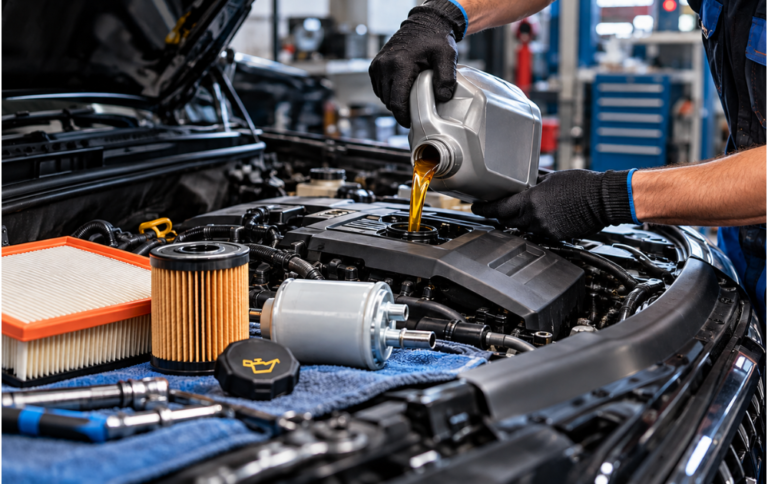
1. Check Your Engine Oil Regularly
Engine oil is essential for keeping the moving parts inside your engine properly lubricated. As the oil gets older or its level becomes too low, the engine can experience increased friction and wear.
You don’t have to check it every day, but making it part of your regular maintenance routine is a good habit. Also, make sure you use the oil recommended for your vehicle and change it according to the manufacturer’s maintenance schedule.
Ignoring oil maintenance for too long can turn a simple service into a much more expensive engine problem.
2. Keep Your Tires at the Correct Pressure
Tire pressure is one of the easiest things to check, yet many drivers rarely think about it.
Incorrect tire pressure can affect handling, braking, fuel consumption, and how quickly your tires wear out. Driving for long periods with the wrong pressure can also put additional stress on the tires.
Check your tire pressure regularly, particularly before long journeys. Use the recommended pressure for your vehicle rather than simply relying on the number printed on the tire itself.
A few minutes of checking can help your tires last longer and keep your car safer on the road.
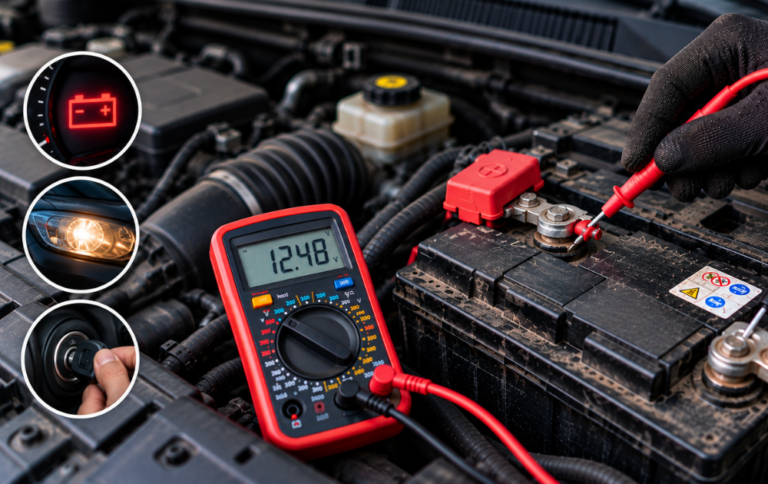
3. Don’t Ignore Dashboard Warning Lights
When a warning light appears on the dashboard, it’s tempting to think, “I’ll deal with it later”—especially if the car still seems to drive normally.
That’s a habit worth avoiding.
Warning lights can indicate anything from a minor issue to a problem that requires immediate attention. The longer you ignore a genuine problem, the greater the chance that it could become more complicated or expensive.
If a warning light appears, find out what it means and take the appropriate action. Your owner’s manual is a good place to start if you’re unsure.
4. Drive Smoothly
You don’t need to drive slowly to take care of your car. What matters is avoiding unnecessary aggression behind the wheel.
Hard acceleration, sudden braking, and constantly driving at high speeds can increase wear on components such as the brakes, tires, suspension, and drivetrain.
Instead, try to accelerate smoothly, anticipate traffic, and brake progressively when conditions allow.
Smooth driving isn’t just easier on your car—it can also help reduce fuel consumption and make your driving more comfortable.
5. Follow Your Car’s Maintenance Schedule
One of the simplest ways to protect your vehicle is to follow the maintenance schedule provided by the manufacturer.
Different cars have different requirements, but routine maintenance may include oil changes, filter replacements, brake inspections, fluid checks, tire inspections, and other services.
Skipping maintenance might seem like a way to save money in the short term. In reality, delaying necessary maintenance can allow small issues to develop into expensive repairs.
Keep a record of your maintenance and pay attention to both time and mileage intervals.
6. Pay Attention to Unusual Sounds, Smells, and Vibrations
Your car can often tell you when something isn’t right.
A new grinding noise, unusual vibration, burning smell, squealing sound, or change in the way the vehicle drives shouldn’t automatically be dismissed.
You don’t need to diagnose the problem yourself. Simply noticing that something has changed is important.
If your car suddenly sounds, smells, or feels different, get the issue checked rather than hoping it will disappear on its own.
Catching a problem early can sometimes make the difference between a simple repair and a much bigger one.
7. Replace Filters and Other Wear Items When Needed
Not every part of your car lasts forever. Some components are designed to be replaced periodically as part of normal maintenance.
Air filters and cabin filters, for example, can become dirty over time. Other wear items, such as brake components and windshield wipers, also need attention as they age.
Don’t replace parts simply because someone tells you that you should. Instead, follow your vehicle’s maintenance recommendations and have components inspected when necessary.
Knowing what needs regular attention helps you avoid both neglect and unnecessary spending.
8. Treat the Engine and Transmission With Care
The first few minutes after starting your car are not the time for aggressive driving.
Instead of immediately accelerating hard, drive normally and smoothly while the vehicle reaches its normal operating conditions.
You should also avoid unnecessary stress on the transmission. For example, don’t shift between Reverse and Drive while the vehicle is still moving.
These may seem like small details, but consistently treating your car gently can help reduce unnecessary mechanical stress over time.
9. Protect Your Car From the Environment
Your car spends its life exposed to the elements, and that exposure can gradually take its toll.
Strong sunlight can affect the paint, dashboard, and interior materials. Dirt, moisture, road salt, and other contaminants can contribute to corrosion and deterioration.
Regular washing helps remove contaminants before they have time to cause problems. When possible, parking in a garage, under cover, or in a shaded area can also reduce exposure to harsh weather and sunlight.
Taking care of your car’s exterior isn’t only about making it look good. It can also help preserve its condition and value.
10. Fix Small Problems Before They Become Expensive
This might be the most important habit on the list.
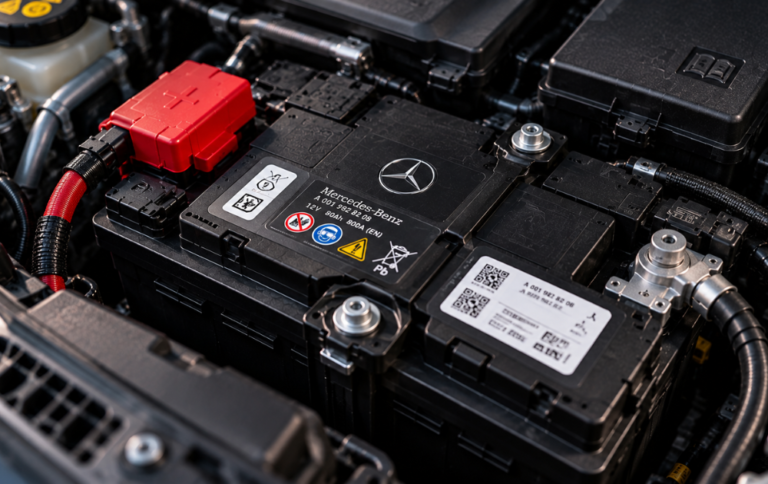
A small leak, worn tire, weak battery, unusual noise, or minor vibration can be easy to overlook. The problem is that small issues don’t always stay small.
That doesn’t mean you should panic every time you hear a strange noise. It means you should pay attention to changes and have genuine problems checked instead of continuously putting them off.
Preventive maintenance is often far less expensive than dealing with a major breakdown later.
Take Care of Your Car Before It Takes Care of You
Making your car last longer isn’t about finding one magical maintenance trick. It’s about consistency.
Check the basics. Follow the maintenance schedule. Drive smoothly. Pay attention to warning signs. Keep your tires properly inflated. And most importantly, don’t ignore problems simply because the car is still running.
These habits are simple enough for almost any car owner to follow, and over the years, they can make a real difference in your vehicle’s reliability and overall condition.
You don’t have to be a mechanic to take good care of your car. You just have to pay attention to it.
Take care of the small things today, and you may avoid the big problems tomorrow.