2026 Toyota RAV4: Specifications, Hybrid Technology and Complete Review
In this article
2026 Toyota RAV4: Specifications, Hybrid Technology and Complete Review
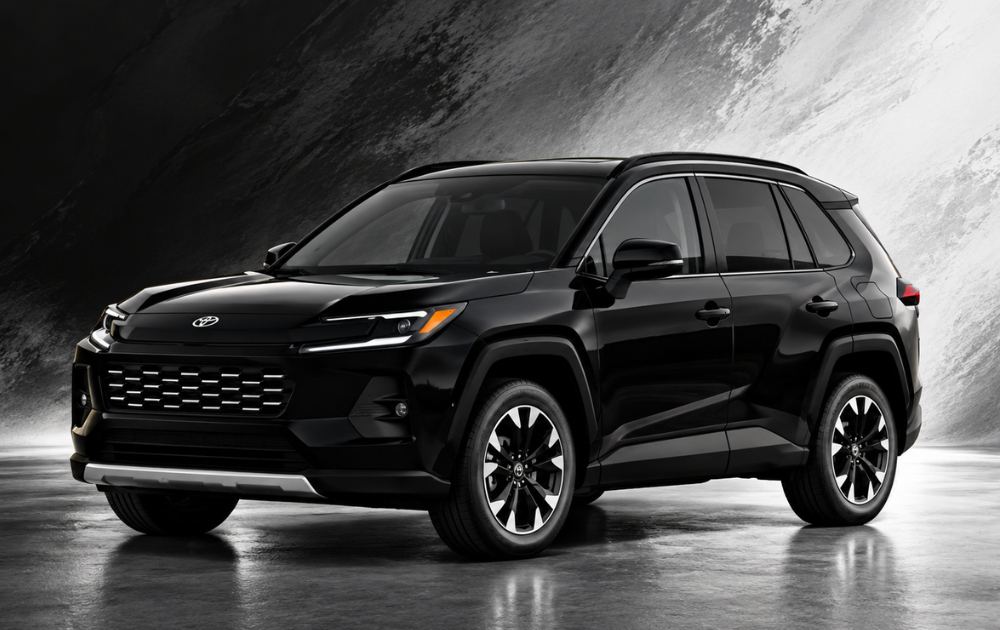
The 2026 Toyota RAV4 introduces the sixth generation of one of Toyota’s most popular SUVs. Unveiled in May 2025, the new model features redesigned styling, updated hybrid powertrains, improved digital technology, and advanced safety systems.
Toyota continues to focus on efficiency and everyday practicality, offering both conventional hybrid and plug-in hybrid versions, depending on the market.
With its updated technology, spacious interior, and improved electrified powertrains, the new RAV4 is designed for drivers looking for a versatile SUV for daily commuting, family use, and longer journeys.
But what has changed, how efficient is it, and is it worth buying? Let’s explore its specifications, performance, technology, and ownership considerations.
1. 2026 Toyota RAV4: Key Specifications
The specifications below refer to the European-market sixth-generation model. Powertrain availability and figures may vary by country.
| Specification | Toyota RAV4 (2026) |
|---|---|
| Vehicle type | Compact SUV |
| Model generation | Sixth generation |
| Petrol engine | 2.5-litre, four-cylinder |
| Hybrid power | 185 hp (FWD) / 194 hp (AWD) |
| Plug-in hybrid power | 272 hp (FWD) / 309 hp (AWD) |
| Transmission | E-CVT |
| Hybrid battery | 1.09 kWh |
| Plug-in hybrid battery | Approximately 22.7 kWh |
| Plug-in hybrid electric range | Up to 137 km WLTP |
| Plug-in hybrid DC charging | Up to 50 kW |
| Plug-in hybrid AC charging | Up to 11 kW |
| Maximum speed | Approximately 180 km/h |
| Seating capacity | 5 passengers |
Figures are based on Toyota’s European technical information. Confirm the exact specifications of the version sold in your country before purchasing.
2. Exterior Design and Interior
The 2026 Toyota RAV4 features a redesigned exterior with a more modern front end, distinctive lighting, sculpted body panels, and a stronger SUV appearance.
Toyota also offers different design styles depending on the trim level. Some emphasize urban sophistication, while others focus on sportiness or outdoor practicality.
Inside, the cabin combines a functional layout with updated digital technology. The new multimedia system offers improved connectivity, while the digital instrument display provides important driving information.
The overall design aims to make the RAV4 practical for families without sacrificing modern styling and comfort.
Interior equipment, screen sizes, upholstery, and convenience features depend on the selected trim and market.
3. Engine, Hybrid Technology and Performance
One of the RAV4’s main strengths is its electrified powertrain range.
The European-market model offers a 2.5-litre four-cylinder petrol engine combined with electric motors. Buyers can choose between a conventional hybrid and a plug-in hybrid, depending on availability.
Hybrid Version
The conventional hybrid combines a petrol engine with electric motors and a small battery.
The system automatically switches between petrol power, electric assistance, and combined operation according to driving conditions.
In the European specification, the front-wheel-drive hybrid produces approximately 185 hp, while the all-wheel-drive version produces approximately 194 hp.
Because the battery recharges during driving and regenerative braking, the conventional hybrid does not normally need to be plugged into an external charger.
This makes it particularly convenient for drivers who want improved fuel efficiency without changing their usual refuelling habits.
Plug-In Hybrid Version
The plug-in hybrid uses a larger battery that can be charged externally.
In the European specification, the front-wheel-drive version produces approximately 272 hp, while the all-wheel-drive version delivers approximately 309 hp.
The larger battery allows the vehicle to complete many shorter journeys using electric power alone, provided it is sufficiently charged and conditions permit.
For drivers who can charge at home, this can reduce petrol consumption during everyday commuting.
4. Fuel Efficiency and Electric Driving Range
Fuel consumption is an important consideration for anyone buying an SUV.
The conventional hybrid RAV4 can reduce petrol consumption by using electric assistance during acceleration and recovering energy during braking.
However, actual fuel economy depends on traffic, driving style, temperature, road conditions, and vehicle configuration.
The plug-in hybrid provides an additional advantage: it can travel using electricity stored in its larger battery.
Toyota quotes an electric driving range of up to 137 km under the WLTP procedure for the new European-market plug-in hybrid.
This is a standardized test result, not a guarantee of real-world range. Highway speeds, cold weather, heating, air conditioning, and other factors can reduce the distance achieved.
For drivers who regularly charge at home and mostly make short journeys, the plug-in hybrid may significantly reduce petrol use. Drivers who rarely charge may not benefit as much from its larger battery.
5. Charging the Toyota RAV4 Plug-In Hybrid
Charging is one of the main differences between the conventional hybrid and plug-in hybrid versions.
The conventional hybrid recharges its small battery through the vehicle’s hybrid system and regenerative braking.
The plug-in hybrid can be connected to an external power source.
The European-market plug-in hybrid supports AC charging at up to 11 kW and DC fast charging at up to 50 kW.
Toyota’s published information indicates that DC charging from 10% to 80% can take approximately 30 minutes under suitable conditions. An AC charge using an appropriate 11 kW supply takes approximately three hours under specified conditions.
Actual charging times depend on the power supply, battery temperature, state of charge, and other operating factors.
Before choosing the plug-in hybrid, consider whether you can charge at home or work. Convenient charging is important if you want to maximize the benefits of electric driving.
6. Safety and Advanced Technology
The new RAV4 introduces updated driver-assistance technology and a new generation of Toyota’s multimedia and safety systems.
Depending on the market and trim, available features can include adaptive cruise control, lane assistance, blind-spot monitoring, and systems designed to help detect potential collisions.
The vehicle also benefits from Toyota’s Arene software platform, which supports the development of its updated digital and safety functions.
These technologies are designed to assist the driver and improve awareness of surrounding traffic.
However, driver-assistance systems have operating limitations and do not replace the driver’s responsibility to monitor the road.
Buyers should check the exact safety equipment included in their chosen version, as some features may be optional or unavailable in certain markets.
7. Maintenance and Reliability
Toyota has a long history of developing hybrid vehicles, and its hybrid technology is an important part of the RAV4’s appeal.
The conventional hybrid system can reduce fuel consumption, particularly in urban driving, while regenerative braking helps recover energy during deceleration.
However, a hybrid vehicle still requires regular maintenance.
Owners must follow the recommended service schedule for the petrol engine, cooling systems, brakes, tyres, suspension, and other components.
The hybrid battery, electric motors, power electronics, and associated control systems also require appropriate inspection and diagnostics when necessary.
For the plug-in hybrid, battery condition and charging-system operation are additional considerations.
Because this sixth-generation RAV4 introduces updated technology, long-term reliability data will take time to develop. Buyers should check the warranty terms, battery coverage, service costs, and availability of qualified technicians in their region.
8. Practicality and Everyday Use
The Toyota RAV4 is designed to accommodate families, commuters, and drivers who need a versatile vehicle.
Its SUV body provides a raised driving position, passenger space, and a practical luggage area.
The hybrid powertrain is particularly suitable for drivers who experience frequent stop-and-go traffic and want to reduce petrol consumption without depending on charging stations.
The plug-in hybrid may be more attractive to drivers with home charging who want to complete shorter journeys using electricity.
Buyers should also consider the vehicle’s dimensions, luggage capacity, visibility, and parking requirements before purchasing.
As equipment and packaging can vary by version, checking the exact vehicle at a dealership is advisable.
9. Price and Availability
The price of the 2026 Toyota RAV4 depends on the country, powertrain, trim level, taxes, and optional equipment.
The sixth-generation model entered the market in stages following its 2025 unveiling, with availability varying by region.
For buyers in Morocco, the final price may depend on official local availability or import arrangements, customs duties, taxes, registration costs, and the vehicle’s specification.
A price advertised in Europe or the United States should not be treated as the final Moroccan purchase price.
Before buying, request a current local quotation and confirm the warranty coverage, service arrangements, and availability of replacement parts.
10. Advantages and Disadvantages
Advantages
- Choice of conventional hybrid and plug-in hybrid powertrains.
- Improved digital technology and driver-assistance systems.
- Conventional hybrid operation without external charging.
- Plug-in hybrid electric driving for suitable daily journeys.
- Practical SUV design for families and everyday use.
- All-wheel-drive options on selected versions.
Disadvantages
- Specifications and equipment vary by market.
- Plug-in hybrid benefits depend on regular charging.
- Actual fuel economy and electric range vary with driving conditions.
- The plug-in hybrid may cost more than the conventional hybrid.
- Long-term reliability data for this new generation is still developing.
- Local purchase prices and servicing costs may vary considerably.
11. Is the 2026 Toyota RAV4 Worth Buying?
The 2026 Toyota RAV4 builds on the model’s established strengths while introducing updated styling, electrified powertrains, and more advanced digital technology.
The conventional hybrid is a practical option for drivers who want improved fuel efficiency without needing to plug in. The plug-in hybrid offers greater electric-driving capability for those who can charge regularly.
Choosing between them depends on your driving habits, budget, and access to charging.
Before purchasing, compare the final price, equipment, warranty coverage, and servicing arrangements for the exact version available in your country.
Overall, the new RAV4 is a versatile SUV worth considering if you want a combination of everyday practicality, hybrid technology, and modern safety features.