2027 Mercedes-AMG GT SUV: Specifications, Range and Complete Review
In this article
2027 Mercedes-AMG GT SUV: Specifications, Range and Complete Review
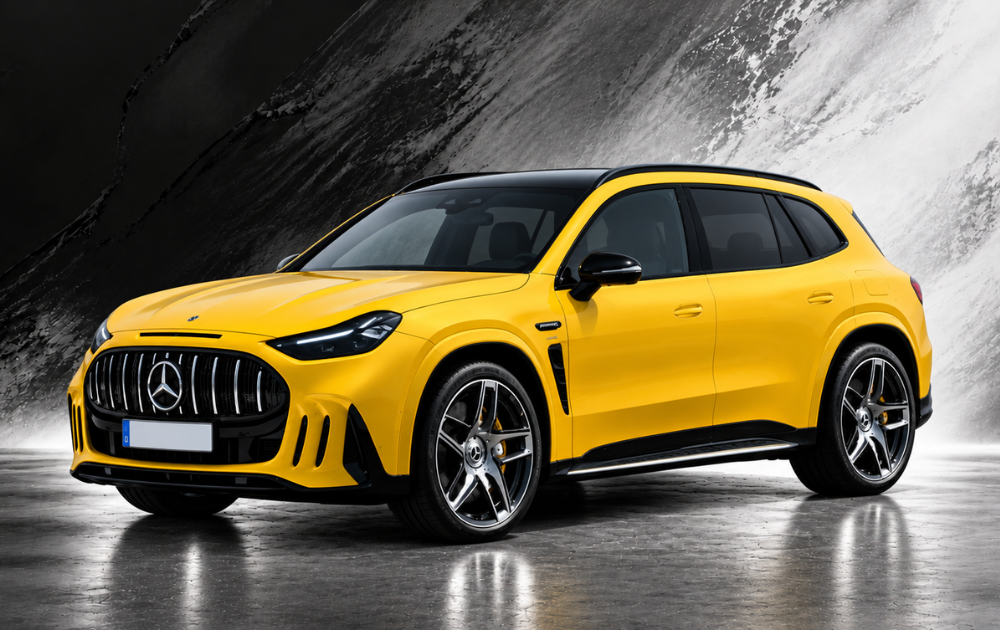
The Mercedes-AMG GT SUV is a new all-electric performance SUV developed entirely by Mercedes-AMG. Unveiled in October 2026, it combines the practicality of a full-size SUV with the acceleration, handling, and sporty character of a high-performance vehicle.
Built on the AMG.EA high-performance electric architecture, the new GT SUV introduces advanced electric motors, an 800-volt battery system, and exceptionally fast DC charging. It is available in three versions: the GT 53, GT 55, and GT 63, each offering a different balance of performance and technology.
In this review, we examine its specifications, performance, driving range, charging capabilities, technology, ownership considerations, and potential advantages for buyers.
1. Mercedes-AMG GT SUV: Key Specifications
| Specification | GT 53 SUV | GT 55 SUV | GT 63 SUV |
|---|---|---|---|
| Powertrain | Fully electric | Fully electric | Fully electric |
| Maximum power | 544 hp | 816 hp | 1,169 hp |
| Electric motors | Two synchronous motors | Three axial-flux motors | Three axial-flux motors |
| Maximum torque | 800 Nm | 1,860 Nm | See final certified specifications |
| Drivetrain | AMG Performance 4MATIC+ AWD | AMG Performance 4MATIC+ AWD | AMG Performance 4MATIC+ AWD |
| Battery capacity | 106 kWh | 106 or 128 kWh | 106 or 128 kWh |
| Maximum WLTP range | Up to 668 km | Up to 700 km | Up to 700 km |
| 0–100 km/h | 4.2 seconds | 3.1 seconds | 2.7 seconds |
| Maximum speed | Up to 250 km/h | Up to 270 km | Up to 270 km |
| Maximum DC charging power | 600 kW | Up to 710 kW | Up to 710 kW |
Specifications are manufacturer-provided and provisional. Performance, battery configuration, range, and equipment vary by version. Maximum speeds of 270 km/h require the Driver’s Package.
2. Exterior and Interior Design
The Mercedes-AMG GT SUV features a sporty design that distinguishes it from conventional luxury SUVs. Its wide stance, muscular bodywork, sloping roofline, and sculpted proportions give it a dynamic appearance while maintaining the size and practicality expected from a full-size SUV.
Aerodynamics also play an important role in the vehicle’s design. Features such as the active roof spoiler and Airpanel system help manage airflow and support stability and efficiency.
Inside, the cabin combines a driver-focused cockpit with modern digital technology. The dashboard features a 14-inch multimedia display and a 10.2-inch instrument cluster, while the spacious rear cabin is designed to provide comfort for passengers on longer journeys.
Practicality is another important advantage. The SUV offers approximately 607 litres of luggage capacity, expandable to around 1,740 litres when the rear seats are folded. It also provides a front storage compartment, making it useful for everyday driving and longer trips.
3. Performance and Electric Powertrain
The AMG GT SUV is designed to deliver high performance without relying on a conventional petrol engine.
The entry-level GT 53 uses two synchronous electric motors that produce 544 hp and 800 Nm of torque. It can accelerate from 0 to 100 km/h in approximately 4.2 seconds, making it exceptionally quick for a full-size SUV.
The GT 55 increases output to 816 hp through three axial-flux electric motors. At the top of the range, the GT 63 produces up to 1,169 hp and can accelerate from 0 to 100 km/h in approximately 2.7 seconds under the manufacturer’s stated measurement conditions.
All three versions feature AMG Performance 4MATIC+ all-wheel drive, which continuously adjusts power distribution to help maintain traction and stability.
The GT 53 also features a two-speed transmission on the rear axle, designed to combine strong acceleration with efficient driving at higher speeds.
For buyers, the main difference is straightforward: the GT 53 already offers impressive performance, while the GT 55 and GT 63 are designed for drivers seeking a substantially more powerful and dynamic driving experience.
4. Battery and Driving Range
The Mercedes-AMG GT SUV uses an 800-volt high-performance battery system with directly cooled cylindrical cells. This technology is designed to support high power output, manage battery temperatures, and improve charging performance.
The GT 53 uses a 106 kWh battery and offers a claimed WLTP range of approximately 597–668 km.
The GT 55 and GT 63 are available with battery options of 106 kWh and 128 kWh. Depending on the configuration, the 106 kWh battery offers a claimed range of approximately 525–585 km, while the larger battery can deliver up to 700 km.
These figures are based on the WLTP testing procedure and should not be treated as guaranteed real-world distances.
Actual range depends on driving speed, temperature, road conditions, wheel selection, passenger and luggage weight, and climate-control use. Frequent hard acceleration and sustained high-speed driving can reduce range, particularly in a high-performance electric SUV.
Buyers who regularly travel long distances should therefore consider both battery capacity and their access to charging facilities.
5. Charging Technology
One of the most impressive features of the Mercedes-AMG GT SUV is its high-speed charging capability.
The 106 kWh battery supports DC charging at up to 600 kW, while the 128 kWh battery can reach a maximum charging power of 710 kW. With compatible high-power charging equipment and suitable conditions, the larger battery can add approximately 450 km of WLTP range in ten minutes.
Mercedes-AMG also quotes charging times of approximately 11 minutes for the 106 kWh battery and 12 minutes for the 128 kWh battery to charge from 10% to 80%.
However, these figures represent ideal or specified conditions. The vehicle will not necessarily reach its maximum charging power at every station. Actual charging speed depends on the charger’s output, battery temperature, state of charge, and other conditions.
The availability of compatible charging infrastructure is particularly important for buyers who want to benefit from the vehicle’s full charging potential.
6. Safety and Advanced Technology
The Mercedes-AMG GT SUV combines performance-focused engineering with modern vehicle technology.
Its AMG Performance 4MATIC+ all-wheel-drive system helps manage traction, while the electronic vehicle-control systems support stability and predictable handling. However, actual safety performance should be assessed using the final certified specifications and independent crash-test results when available.
One of the model’s major technical features is AMG ACTIVE RIDE CONTROL+, an advanced suspension system designed to actively counteract body movements such as pitching and rolling. It aims to combine sporty handling with comfort during everyday driving and longer journeys.
The vehicle also features advanced battery thermal management, designed to help maintain battery and motor temperatures during demanding driving and rapid charging.
Another distinctive feature is AMGFORCE Sport+, which provides a more immersive driving experience through simulated engine sounds, simulated gear changes, and seat vibrations. These features recreate some of the sensations associated with traditional AMG performance vehicles while preserving the benefits of an electric powertrain.
The availability of driver-assistance systems and other equipment may vary by market and specification. Buyers should confirm the precise safety features included in the version offered in their country.
7. Maintenance and Ownership Costs
As a fully electric vehicle, the Mercedes-AMG GT SUV does not require conventional engine oil changes, spark plug replacements, or exhaust-system maintenance. Regenerative braking can also help reduce brake wear in certain driving conditions.
However, this does not mean that ownership will be inexpensive.
The GT SUV is a heavy, high-performance vehicle, so tyres, suspension components, insurance, and specialist repairs may be costly. Its advanced high-voltage battery and electric-drive systems also require qualified technicians and appropriate diagnostic equipment.
Charging expenses will depend on local electricity prices, charging frequency, and whether the owner mainly charges at home or uses public fast-charging stations.
Because the model is new, long-term reliability, battery ageing, repair costs, and resale value remain uncertain. Buyers should consider the warranty, local service support, and availability of replacement parts before purchasing.
8. Price and Availability
The Mercedes-AMG GT SUV is offered in three versions: GT 53, GT 55, and GT 63.
Mercedes-Benz announced a starting price of €113,050 for the GT 53 SUV in its launch-market pricing. Orders for this version opened on October 20, 2026, while the GT 55 and GT 63 are scheduled to follow in spring 2027.
Prices and delivery dates may differ between countries. Local taxes, import duties, optional equipment, and market-specific specifications can significantly affect the final purchase price.
For buyers in markets such as Morocco, the final cost may also depend on import arrangements and local vehicle regulations. It is therefore important to request a confirmed quotation from an authorised Mercedes-Benz representative or a reliable importer.
Before ordering, buyers should also confirm the available battery configuration, warranty coverage, charging compatibility, and local servicing arrangements.
9. Advantages and Disadvantages
Advantages
- Fully electric performance with up to 1,169 hp in the GT 63.
- Extremely quick acceleration for a full-size SUV.
- 800-volt electrical architecture with exceptionally high maximum DC charging power.
- Claimed WLTP range of up to 700 km with the larger battery.
- AMG Performance 4MATIC+ all-wheel drive.
- Advanced suspension technology designed to balance comfort and handling.
- Spacious cabin and practical luggage capacity.
- No conventional engine oil changes or exhaust-system maintenance.
Disadvantages
- High purchase price compared with mainstream electric SUVs.
- Real-world driving range may be significantly lower during high-speed or sporty driving.
- Maximum charging speeds require compatible high-power charging infrastructure.
- Tyres, insurance, and specialist repairs may be expensive.
- Long-term reliability and resale value are not yet established.
- Availability, equipment, and servicing support may vary between markets.
10. Is the Mercedes-AMG GT SUV Worth Buying?
The Mercedes-AMG GT SUV is aimed at drivers who want the practicality of a large SUV combined with the performance of a high-end sports car. Its powerful electric motors, advanced suspension, spacious interior, and rapid-charging capability make it an ambitious entry into the electric performance market.
The GT 53 is the entry point to the range and already delivers substantial power. The GT 55 offers a significant increase in performance, while the GT 63 is designed for buyers who want the highest available output and the quickest acceleration.
However, buyers should look beyond the headline performance figures. Purchase price, real-world range, charging access, insurance, maintenance, and warranty coverage will all influence the ownership experience.
The AMG GT SUV could be an excellent choice for drivers who prioritise performance, technology, and premium comfort. Those who mainly need an affordable family vehicle or frequently drive in areas with limited charging infrastructure may find a less powerful electric SUV more practical.